Source Steel Bellows Pipe for Exhaust, Hydraulic, and Industrial Uses
Find 30 steel bellows pipe options for exhaust systems, hydraulic lines, and industrial applications. Compare stainless steel 201 or 304 materials, welding connections, and custom sizes from verified manufacturers in China; compare the available evidence and request quotations based on your requirements.
Key considerations
Products List





Comprehensive Sourcing Guide
Steel Bellows Pipe Sourcing Guide
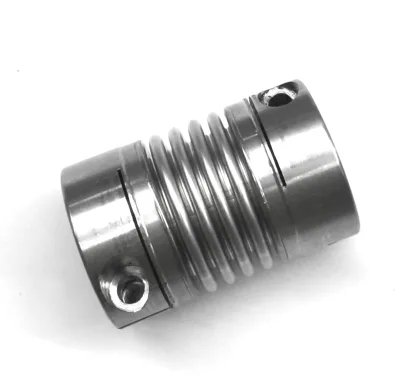
Procuring steel bellows pipes requires a disciplined approach to balancing flexibility, pressure resistance, and thermal stability. These components are critical in exhaust systems and industrial piping where vibration damping and thermal expansion compensation are mandatory. Buyers must distinguish between standard rigid pipes and flexible bellows configurations, as the latter involves complex manufacturing techniques like casting or welding that directly impact durability. Understanding the specific operational environment, including temperature ranges and working pressures, is the first step in defining accurate technical requirements.
The market offers a wide variety of options, from universal fitments to custom-engineered solutions tailored for specific chassis noise reduction or engine aerodynamic noise mitigation. Sourcing decisions should be guided by observed listing signals, such as material grades (e.g., Stainless Steel 201 or 304), connection types, and available certifications. Buyers should verify that suppliers provide clear documentation on customization capabilities and delivery timelines, as these factors significantly influence supply chain reliability and total cost of ownership for both OEM and aftermarket channels.
Product Scope and Observed Listing Signals
The current market landscape for steel bellows pipes reveals a diverse range of product attributes tailored to different industrial needs. Listings frequently highlight materials such as stainless steel 201 or 304, which offer varying degrees of corrosion resistance and heat tolerance. Key technical indicators include connection methods like welding, which ensures structural integrity under high stress, and size specifications that range from standard lengths like 4 inches to fully customized dimensions. Buyers should pay close attention to these physical attributes to ensure compatibility with existing exhaust systems or industrial pipelines.
Commercial signals also provide valuable insights into supplier capabilities and market positioning. Many suppliers operate as factories with more than 200 employees, indicating substantial production capacity and potential for economies of scale. Delivery times are typically cited as 10-15 days after receiving a deposit, suggesting a responsive supply chain for urgent orders. Additionally, the presence of certifications like ISO 9001 and specific discharge standards helps buyers assess the quality management systems in place, ensuring that the products meet international benchmarks for consistency and safety.
Technical Specifications to Verify
Verifying technical specifications is paramount to ensuring that the steel bellows pipe performs reliably under operational stress. Buyers must confirm the temperature range, which can vary significantly depending on the application, with some products rated for up to 650 degrees Celsius or even higher average temperatures of 800 degrees. Working pressure ratings, often specified up to 5 MPa, are critical for high-pressure exhaust systems. Additionally, the type of steel used, whether 201 or 304 stainless steel, directly affects longevity and resistance to thermal cycling, making material verification a non-negotiable step in the procurement process.
Dimensional accuracy and model compatibility are equally important considerations. Products may come in various models, such as HYR or LDBWG-569-BH, each designed for specific vehicle makes or industrial applications. Buyers should verify the overall length options, which can include standard sizes like 6, 8, 9, 10, 11, and 12 inches, or fully customized lengths. The presence of flanges and specific connection types must also be confirmed to ensure seamless integration with existing piping systems. Misalignment in these specifications can lead to installation failures and compromised system performance.
Compliance and Safety Documentation
Compliance with international standards is essential for ensuring the safety and reliability of steel bellows pipes in critical applications. Buyers should verify that suppliers hold relevant certifications, such as ISO 9001, which indicates a robust quality management system. Some listings may reference specific discharge standards like Euro V, which are crucial for automotive exhaust systems aiming to meet environmental regulations. Ensuring that the product meets these standards helps mitigate risks associated with non-compliance, including potential legal liabilities and reputational damage in regulated markets.
Documentation should also include detailed information on material composition and testing procedures. Buyers must request certificates of analysis to confirm the grade of stainless steel used, ensuring it meets the specified requirements for corrosion and heat resistance. Additionally, understanding the warranty terms, such as a 3-year warranty, provides insight into the supplier’s confidence in their product’s durability. Clear documentation on packaging, whether neutral, carton, or palletized, also helps in assessing the product’s protection during transit, reducing the risk of damage before installation.
Cost Drivers and Commercial Terms
Several factors influence the cost of steel bellows pipes, with material grade and customization level being primary drivers. Stainless steel 304, for instance, is generally more expensive than 201 due to its superior corrosion resistance and mechanical properties. Customization options, such as specific lengths or flange configurations, can also increase costs due to the additional manufacturing steps required. Buyers should evaluate the total cost of ownership, considering not just the unit price but also the potential savings from reduced maintenance and longer service life.
Commercial terms, including minimum order quantities (MOQ) and payment conditions, play a significant role in procurement strategy. While some suppliers may have no special MOQ requirements, others might impose limits that affect inventory management. Delivery times, typically 10-15 days after deposit, should be factored into production planning to avoid delays. Additionally, understanding the packaging standards, such as normal export packing or carton packaging, helps in estimating logistics costs and ensuring that the products arrive in optimal condition, minimizing the risk of additional expenses due to damage.
Supplier Qualification and Quality Control
Evaluating supplier qualification is crucial for establishing a reliable supply chain for steel bellows pipes. Buyers should prioritize suppliers who operate as factories with substantial workforce sizes, indicating greater control over the manufacturing process and quality assurance. Factories with more than 200 employees often have dedicated quality control teams and advanced testing facilities, which are essential for maintaining consistent product quality. Verifying the supplier’s location, such as Zhejiang or Jiangsu in China, can also provide insights into their industrial ecosystem and logistical advantages.
Quality control measures should be rigorously assessed before finalizing any procurement agreement. Buyers should inquire about the supplier’s internal testing protocols, including pressure testing and thermal cycling assessments, to ensure that the bellows pipes meet specified performance criteria. Additionally, understanding the supplier’s approach to customization and their ability to handle complex orders is vital. Suppliers who offer flexible production capabilities and responsive customer service are better positioned to meet the dynamic needs of both OEM and aftermarket markets, ensuring long-term partnership success.
Long-Term Procurement Checks
Establishing long-term procurement checks ensures that the supply of steel bellows pipes remains consistent and reliable over time. Regular audits of supplier performance, including delivery times and product quality, are essential for maintaining operational efficiency. Buyers should track key performance indicators such as defect rates and warranty claims to identify potential issues early. Continuous monitoring of market trends and technological advancements in bellows pipe manufacturing can also help buyers stay ahead of competitors and adapt to changing industry requirements.
Building a strong relationship with suppliers through open communication and collaborative planning can enhance supply chain resilience. Buyers should engage in regular reviews of commercial terms and technical specifications to ensure they remain aligned with business objectives. Additionally, exploring opportunities for joint development of new products or improvements in existing designs can lead to cost savings and enhanced performance. By maintaining a proactive approach to supplier management, buyers can mitigate risks and secure a steady supply of high-quality steel bellows pipes for their operations.
FAQs
What materials are used for steel bellows pipes?
The main body is typically made from Stainless Steel 201 or 304. These materials ensure durability and resistance to corrosion. The overall construction utilizes steel to maintain structural integrity under pressure. This selection supports reliable performance in various automotive exhaust applications.
Can these exhaust pipes be customized for specific vehicles?
Yes, customization is available for many car makes. The product model is universal, allowing adaptation to diverse chassis requirements. Sizes are also customized to fit specific installation needs. This flexibility ensures compatibility with various OEM and aftermarket exhaust system designs.
What is the delivery time for orders?
Delivery occurs within 10-15 days after receiving the deposit. This timeline applies to standard production runs. Buyers should account for this period when planning inventory. The factory ensures timely processing to meet supply chain demands efficiently.
What certifications do these steel bellows pipes hold?
Products comply with ISO 9001-2000 and ISO9001 standards. These certifications verify quality management systems in manufacturing. The factory adheres to established industrial norms for production. This ensures consistent quality and reliability for global automotive component sourcing.
What is the warranty period for these components?
A three-year warranty is provided for these parts. This coverage protects buyers against manufacturing defects. It reflects confidence in the product's durability. Buyers can rely on this support for long-term operational stability in vehicle exhaust systems.
How are these pipes packaged for shipping?
Packaging includes normal export packing, standard export packing, neutral packs, and carton options. Some items are packed with 25 pieces per carton. Pallets may also be used for larger shipments. This variety ensures safe transport and meets diverse logistical requirements.
What is the working pressure range for these pipes?
The working pressure ranges from 0 to 5 MPa. This capacity supports standard exhaust system operations. The design handles typical automotive exhaust pressures effectively. Buyers can trust this specification for reliable performance in various vehicle applications.